
Youth Fitness Foundations: What Actually Matters Early On
Fitness
When parents ask me what their kids should be doing for fitness, they’re usually expecting something structured.
A plan. A routine. Something that looks like what adults do.
But most of the time, that’s not what their kid actually needs.
What I’ve seen over the years is that kids don’t struggle because they aren’t “training enough.” They struggle because they never built the basics in the first place — how to move, how to control their body, and how to stay active without it feeling forced.
That’s the foundation. And if it’s missing, everything else feels harder later.
Movement Quality Comes First — Always
Before we ever think about strength or performance, we look at how a kid moves.
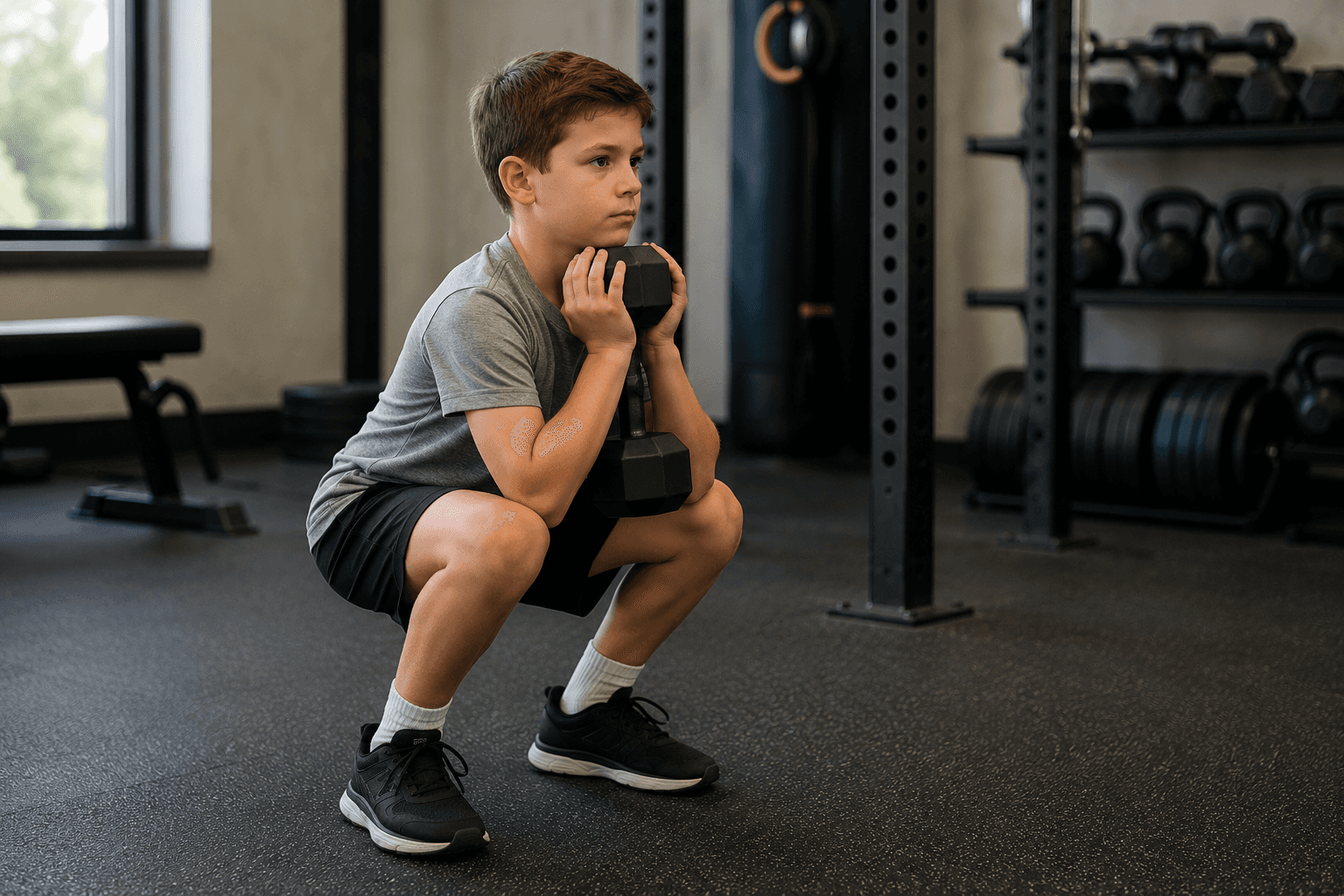
Can they squat without their knees caving in?
Can they balance on one leg without falling all over the place?
Can they land from a jump and stay controlled?
These sound simple, but a lot of kids today struggle with them — not because they’re weak, but because they haven’t had enough exposure to movement.
Less time outside, more time sitting, more time on screens… it adds up.
So instead of jumping straight into workouts, we slow things down and clean up those patterns first. Once that’s in place, strength and confidence start to build naturally.
You Don’t Need Intensity — You Need Repetition Done Right
This is where a lot of well-meaning parents go wrong.
They think more effort equals better results. So they push their kids into harder drills, longer sessions, or more structured programs earlier than needed.
But kids don’t need intensity. They need repetition with good movement.
That might look like:
Practicing basic squat patterns with light resistance
Learning how to hinge properly before ever touching a barbell
Simple coordination drills that improve control and awareness
It’s not flashy. It’s not exhausting.
But it works — because it builds something that actually lasts.
At HBR, when we work with younger clients, we’re not chasing fatigue. We’re watching how they move, making small adjustments, and giving them just enough structure to improve without overloading them.
Confidence Is Part of the Foundation
This is something people overlook.
A kid who feels awkward moving — who doesn’t feel in control of their body — is less likely to stay active.
And it’s not because they’re lazy. It’s because it doesn’t feel good.
So part of the process is helping them feel capable early on.
When a kid realizes:
“I can actually do this well.”
Everything changes.
They start to engage more. They try more. They stick with it longer.
That’s why our approach isn’t just about teaching exercises — it’s about building that sense of control and confidence alongside it.
Structure Helps — But It Has to Fit Their Stage
There is a place for structure, especially as kids get older or start taking sports more seriously.
But it has to match where they are.
You don’t take a 10-year-old and drop them into an adult-style program. You build toward that.
For most kids, a good setup looks like:
2–3 short sessions a week
A mix of movement work, light strength, and coordination
Activities they actually enjoy outside the gym
Inside HBR sessions, that might mean we guide them through simple strength work, clean up form, and keep things moving without making it feel like a grind.
It’s structured enough to make progress, but flexible enough that they don’t burn out.
What You Build Early Carries Forward
This is the long game.
Kids who learn how to move well and stay consistent don’t usually have to “start over” later in life. They already have a baseline to fall back on.
They understand what a good rep feels like.
They’re comfortable being active.
They don’t associate fitness with punishment.
That’s a completely different starting point compared to someone trying to figure it all out at 40.
And as a coach, you can tell the difference right away.
Don’t Rush the Process
There’s no need to fast-track this.
You don’t need to turn your kid into an athlete early. You don’t need advanced programming.
You just need to make sure they’re building the right habits and moving well.
If there’s a gap — whether it’s coordination, confidence, or just not knowing where to start — that’s where having some guidance helps. Not to take over, but to make sure things are being built the right way from the beginning.
That’s how you set them up long-term.
If you want your kid to build a strong, confident foundation — without overcomplicating it or pushing too hard too early — we can help guide that process.
ARTICLES


