Postpartum & C-Section Recovery: Building Strength Back the Right Way
Wellness
After having a baby, it is completely normal to want to feel like yourself again.
For some people, that means getting back to walking comfortably. For others, it means returning to workouts they enjoyed before pregnancy. Either way, the biggest mistake is treating recovery like a race.
A C-section is abdominal surgery. Even when things look fine on the outside, the body is still healing.
That changes how you come back.
Start With Recovery, Not a Timeline
A lot of people expect to be “back to normal” after a certain number of weeks because that is what they have heard from friends or seen online.
But postpartum recovery does not work on a universal schedule.
Your delivery, your activity level before pregnancy, any complications, your sleep, your energy, and how your body feels all matter. After a C-section, it is especially important to get medical clearance before returning to structured exercise.
The goal is not to rush back.
The goal is to return without creating setbacks.
The Early Work May Look Simple
Early postpartum movement usually does not look like a full workout.
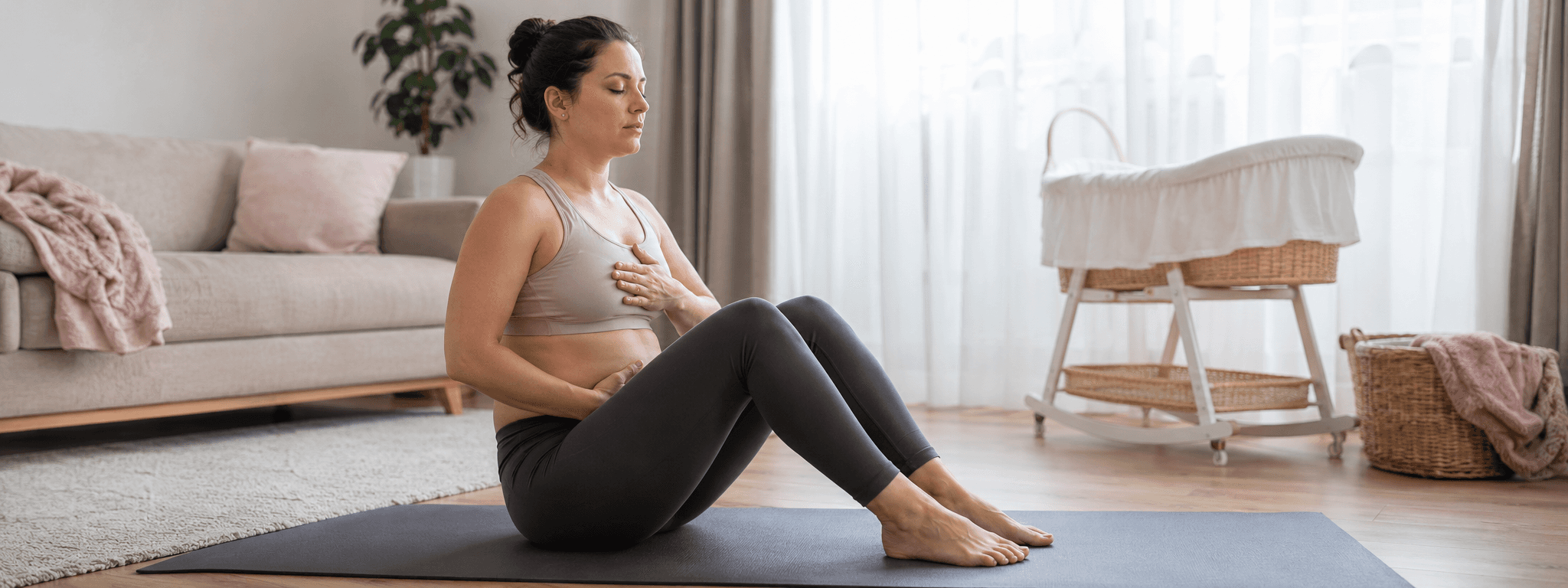
Walking, breathing drills, gentle mobility work, and basic pelvic-floor exercises may be the right place to begin. That can feel underwhelming, especially for someone who trained regularly before pregnancy.
But simple does not mean pointless.
This stage helps rebuild awareness and control. It gives your body a chance to reconnect with movements that may feel different after pregnancy and surgery.
That foundation makes everything else easier later.
Core Strength Is More Than Ab Work
A lot of people think of core training as crunches, planks, and anything that makes the abs burn.
That is not where postpartum core work should begin.
After pregnancy and a C-section, the first priority is learning how to brace, breathe, and move without unnecessary pressure or discomfort. The focus is on control before intensity.
At HBR, we would rather spend time getting the basics right than rush someone into exercises their body is not ready for yet.
Good training should build confidence, not make you feel like you are constantly testing your limits.
Pay Attention to What Your Body Is Telling You
Some discomfort may be part of getting moving again. Pain is different.
Sharp pain, pulling around the incision, pelvic pressure, leaking, or a feeling that something is not right should not be ignored. Those are signs to pause and check in with a medical provider or specialist.
There is no benefit to pushing through something that needs attention.
Progress is not about doing more every week no matter what.
It is about knowing when to progress and when to stay where you are a little longer.
Strength Training Still Matters
Once you are cleared and the basics feel more comfortable, strength training can become a valuable part of recovery.
That does not mean going straight back to old weights or old routines.
It may start with bodyweight squats, supported movements, light resistance, and exercises that help rebuild stability. Over time, the goal is to make everyday life feel easier again: carrying the baby, getting up from the floor, climbing stairs, and moving with more confidence.
This is where a structured plan helps.
At HBR, we meet people where they are and build from there. The starting point may be different than it was before pregnancy, but the goal is still the same: stronger, steadier movement that supports real life.
Do Not Rush the Rebuild
Postpartum recovery is not about proving how quickly you can get back to your old routine.
It is about rebuilding in a way your body can actually handle.
A steady return usually works better than an aggressive one.
And once you are ready to start moving again, having the right plan can make the process feel much less overwhelming.
ARTICLES


